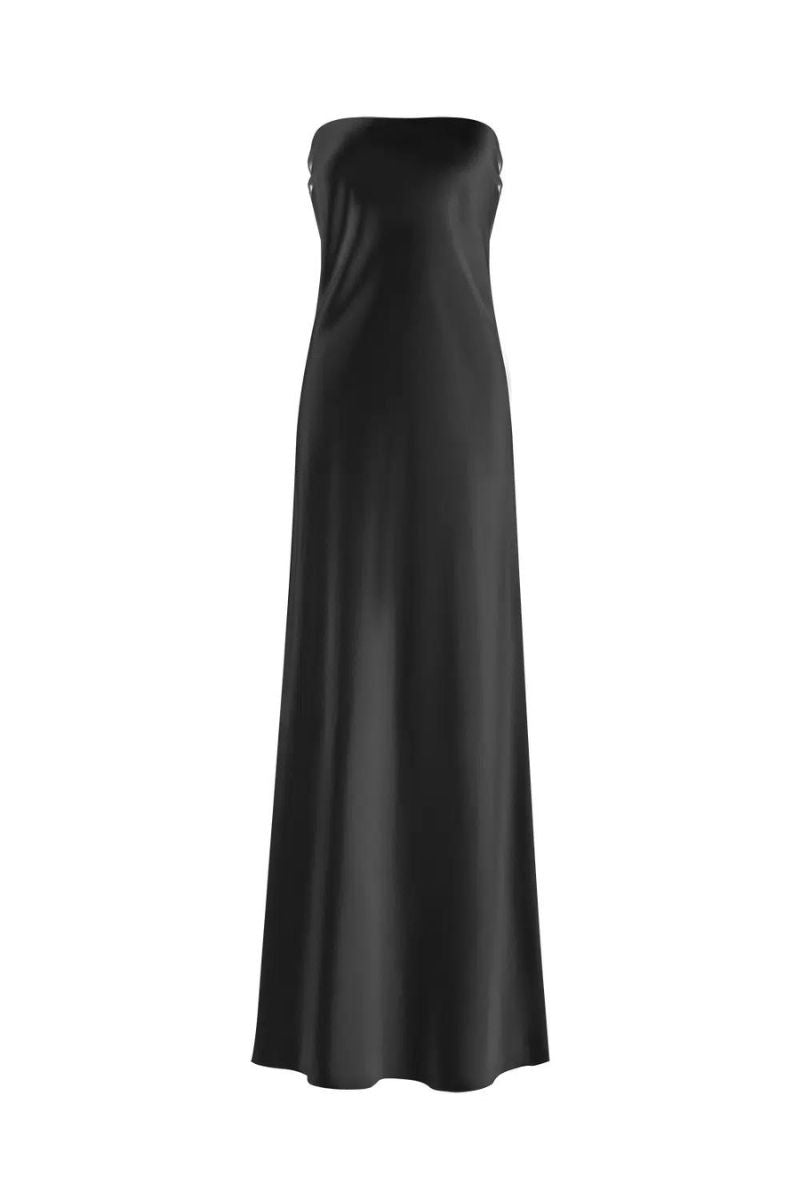
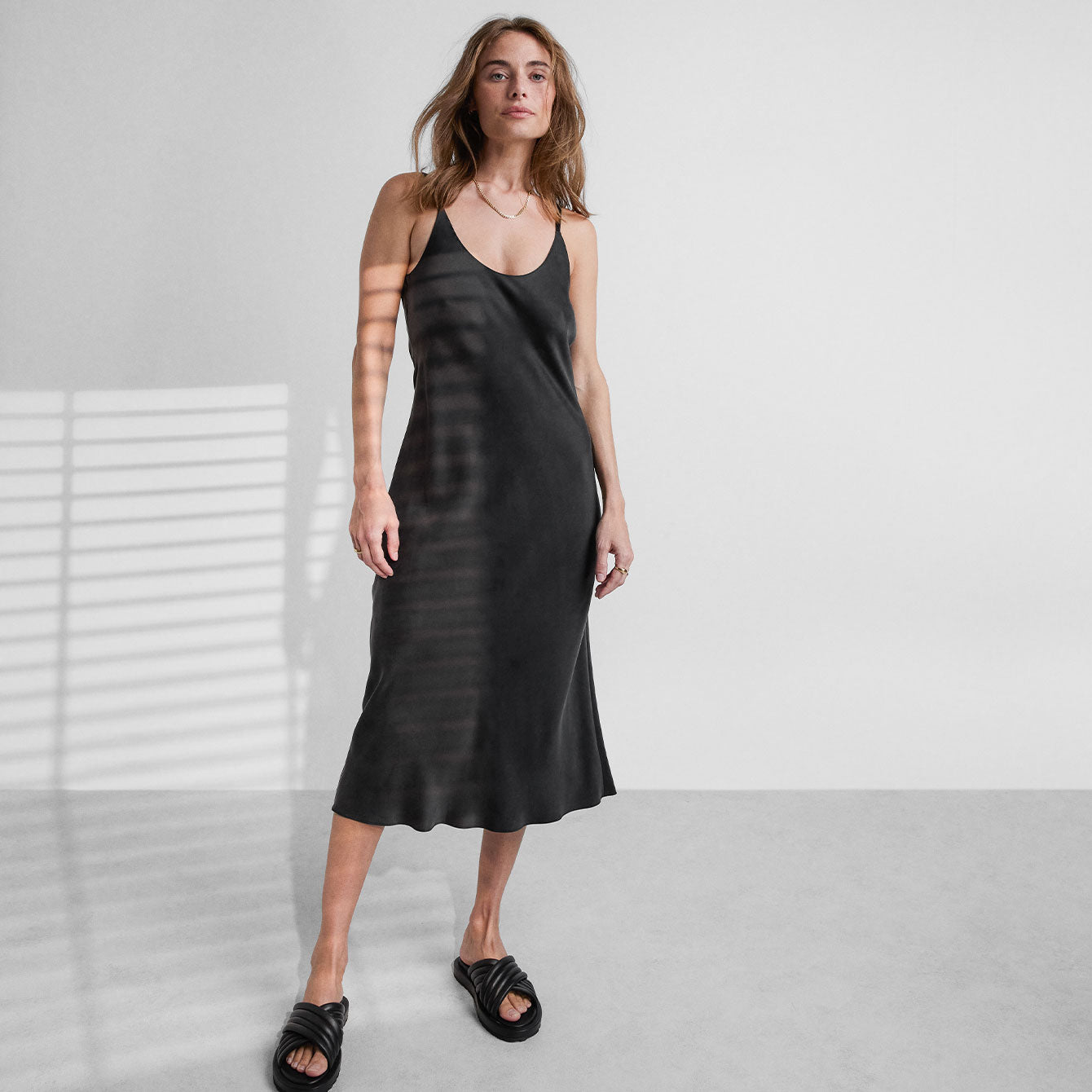
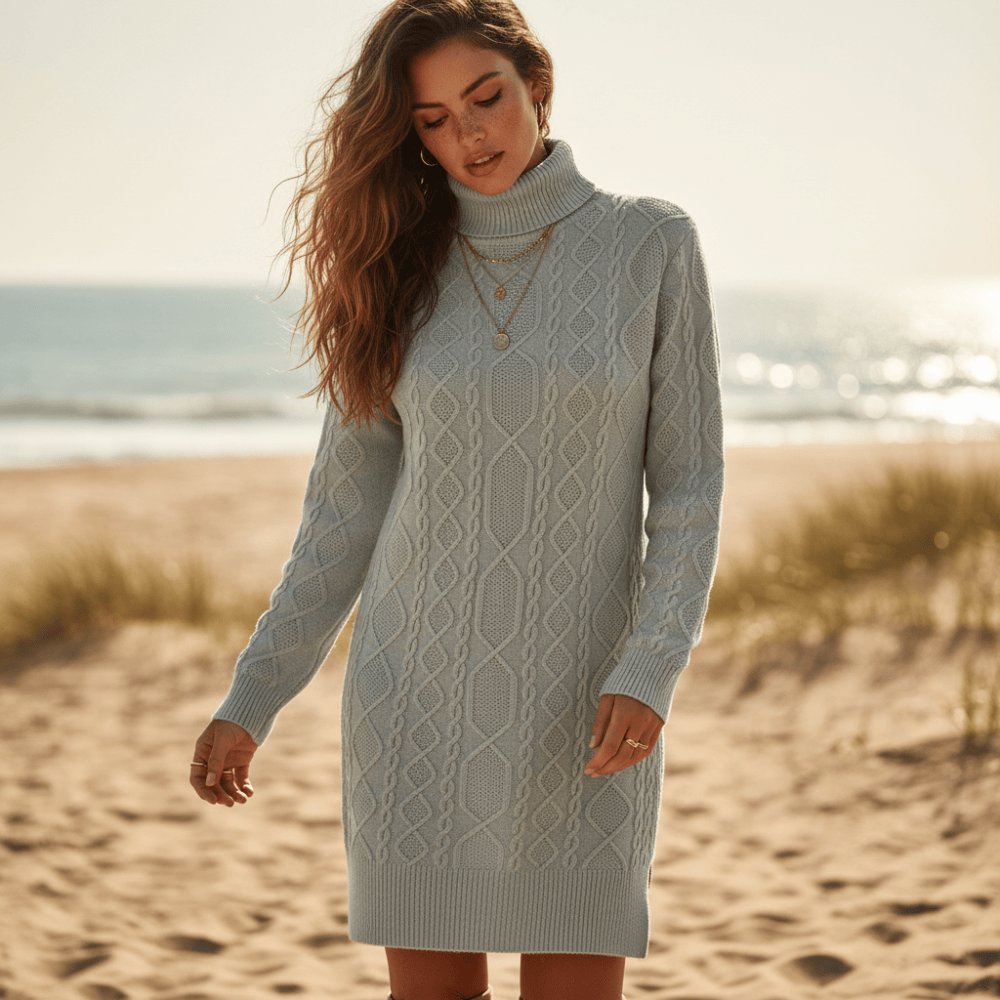
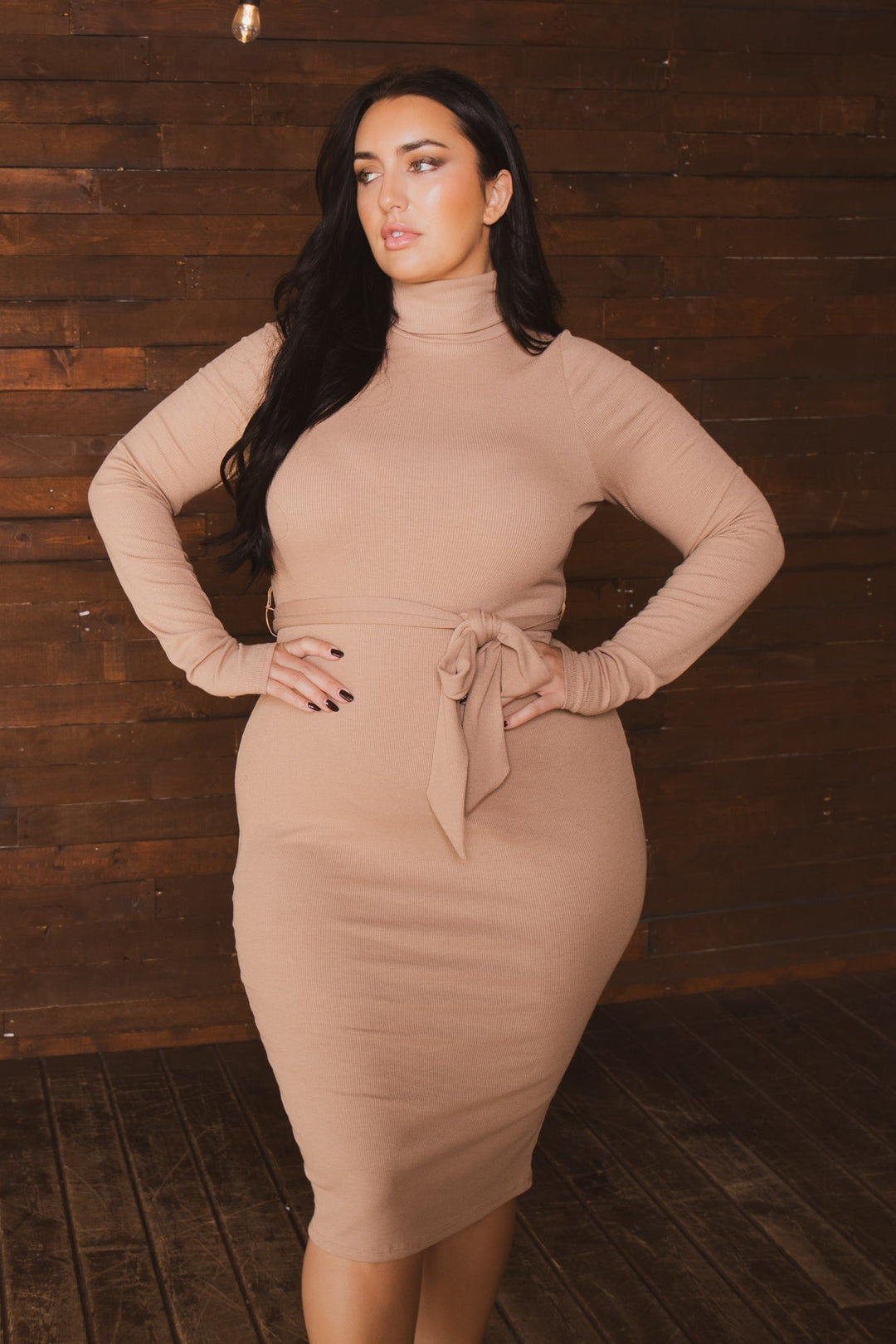
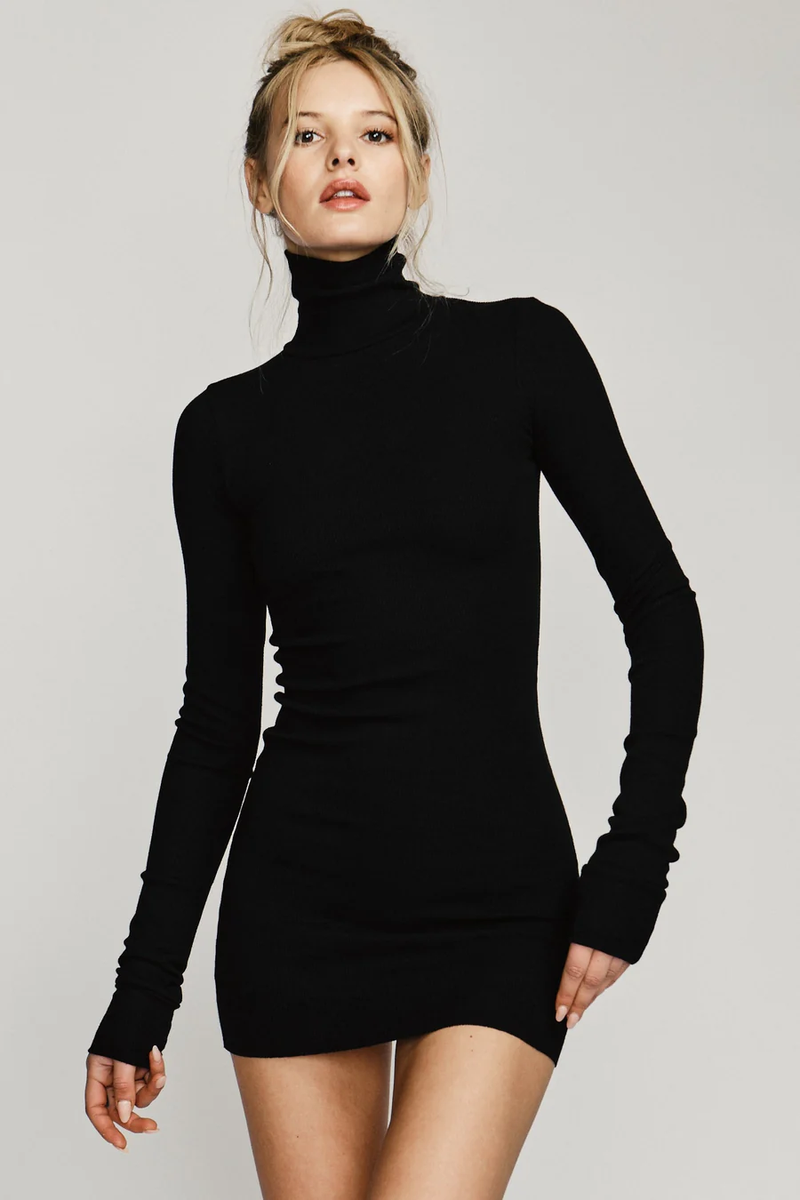
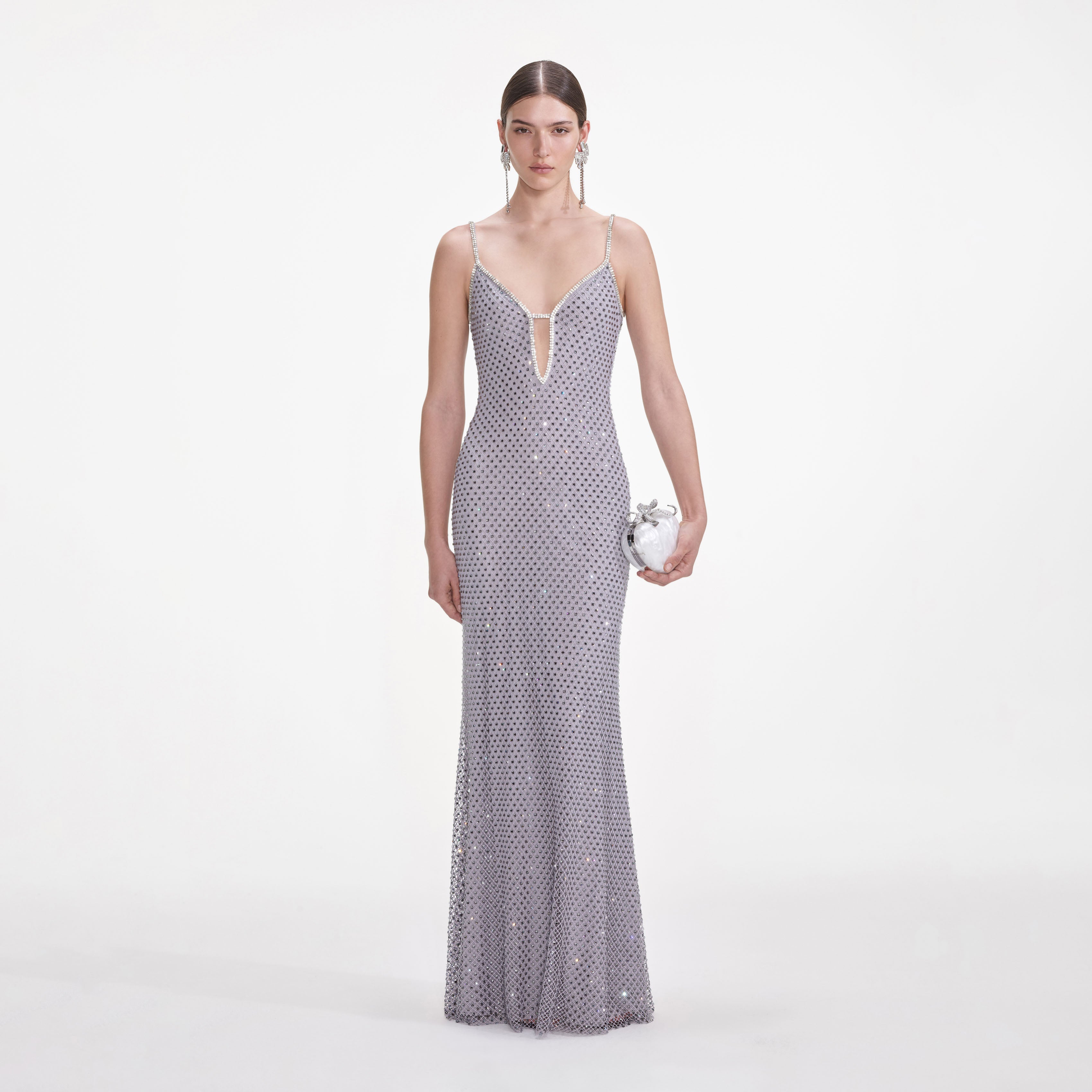
My lining options and when I use them Full lining (bodice + skirt): safest for most markets Bodice lined, skirt unlined with shorts slip: better for summer, but risky Separate slip lining: premium feel, but higher cost and more parts Partial lining with lace sleeves: best for modest look without heat Lining fabric choices that usually work Stretch satin: smooth, but can cling in humid climates Knit tricot: comfort, good for stretch lace Woven poly lining: stable, but watch static and noise Modal blend lining: premium comfort, higher cost Stitch and seam strategy that keeps lace clean Avoid overlocking directly on visible lace edges if possible Use French seams only when lace is thin and stable Use binding or clean finish at neckline and armhole Add stay tape at shoulder and neckline for stretch lace Support details for bodice stability Bust darts or princess seams for fitted bodices Light fusing on lining only, not on lace face Boning for strapless lace A-line, but only with soft channeling Clear elastic at top edge for off-shoulder lace styles What pattern and grading changes do I make because lace behaves differently

COD available
For instance, pair navy dresses with white or light grey blazers, red dresses with black or navy blazers, and green dresses with beige or brown blazers
These features allow you to create different looks for the ceremony, reception, and photos without changing into a second dress
This Sleeveless Midi Dress features a round neckline, fitted waist, and a flowy, handkerchief-hem skirt with cascading ruffled tiers
Designed to feel like love at first sight, its the kind of piece parents save, photograph, and never forget